//
OOMMAANNAAOOKKAARR
EMAIL/GITHUB/LINKEDIN/INSTAGRAM

ABOUT

SKILLS

***

***

***

PROJECTS

STELO

(EVENT LISTING WEB APP)

PILLAR

(SELF-HOSTING PRODUCT)

BENTO

(AI-POWERED DOCKERIZATION)

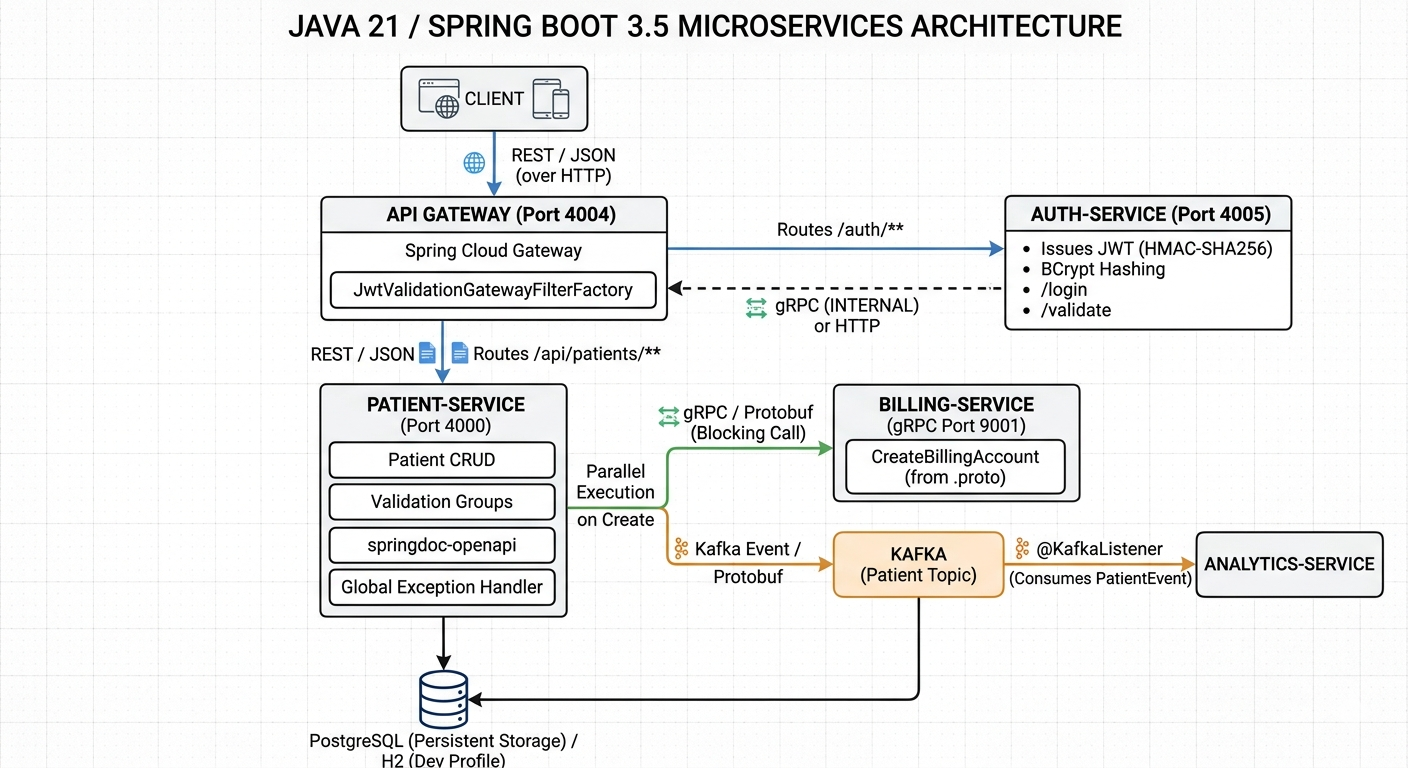
PATIENT BILLING SERVICE

(SECURE DISTRIBUTED SYSTEM)

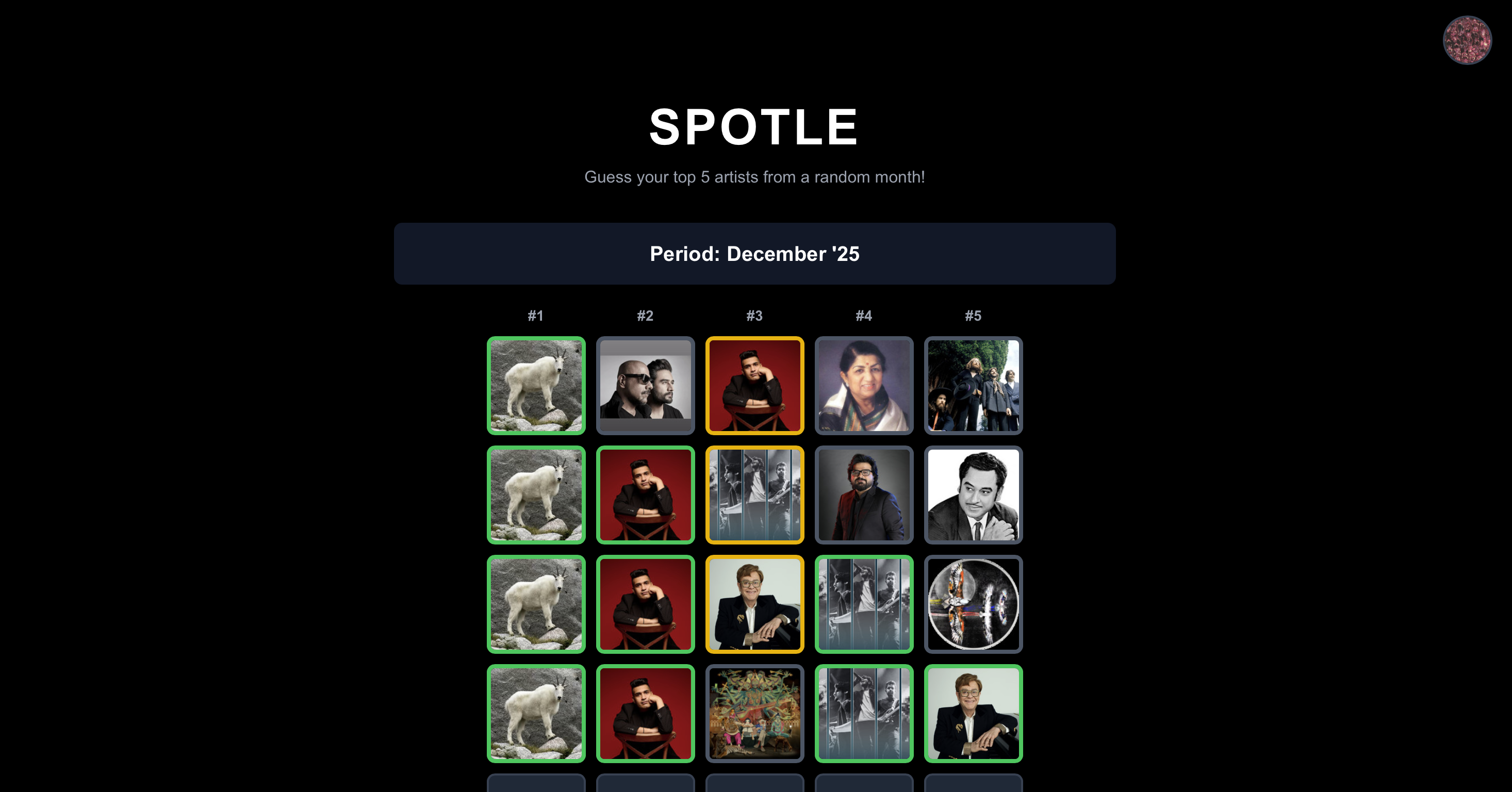
SPOTLE

(TOP ARTISTS GUESSING GAME)

TUSKIN COFFEE

(WEBSITE FOR TUSKIN COFFEE)

PYTHON * JAVA * JAVASCRIPT * C++ * TYPESCRIPT * SQL * RUST * GO

LANGUAGES:

POSTGRESQL * MYSQL * MONGODB * REDIS * DOCKER * KUBERNETES

FRAMEWORKS/LIBRARIES:

FIGMA * GIT * LANGCHAIN * LANGGRAPH * ROBOFLOW

TOOLS:

PROBLEM SOLVING * CRITICAL THINKING * ADAPTABILITY * QUICK LEARNING * ANALYTICAL THINKING * CREATIVITY * SYSTEMS THINKING

SOFT SKILLS:

FULL-STACK WEB DEVELOPER BASED IN MUMBAI, CURRENTLY STUDYING COMPUTER ENGINEERING. BUILDING MODERN WEB EXPERIENCES SINCE 2021, WITH A FOCUS ON SIMPLICITY, PERFORMANCE, AND CLEAN DESIGN. PREVIOUSLY SUB-HEAD OF WEB DEVELOPMENT AT GOOGLE DEVELOPER GROUPS.

Stelo projectSTELO →Pillar projectPILLAR →Bento projectBENTO →Tuskin Coffee projectTUSKIN COFFEE →Patient Billing projectPATIENT BILLING →Spotle projectSPOTLE →
Profile image
OTHER PROJECTS:

A Python bot that plays Clash Royale autonomously by streaming the live game screen from BlueStacks via scrcpy/ADB at 30fps, running it through a multi-model computer vision pipeline, and issuing touch commands back to the emulator. Card detection uses a YOLOv8 model trained on a synthetically generated dataset; elixir and tower health values are read by a custom 3-block CNN (CRDigitCNN) trained on in-game digit sprites with BatchNorm and spatial dropout to prevent overfitting. Game state (arena grid, card regions, tower HP) is mapped to a Gymnasium environment and fed into a Stable-Baselines3 PPO reinforcement learning agent that trains against a reward function weighted by tower damage, elixir efficiency, and win/loss outcome.

STACK

Python · PyTorch · YOLOv8 · Stable-Baselines3 · OpenCV · Gymnasium · scrcpy · ADB · EasyOCR · TensorBoard

A compiled language and compiler built from scratch in C++. The .hy source file is read, tokenized character-by-character (identifiers, integer literals, semicolons), and parsed into a token stream. A code generation pass walks the token stream and emits raw x86-64 NASM assembly — mov rax, 60 / mov rdi, <value> / syscall for a return statement. The generated .asm is written to disk, assembled with NASM into an ELF64 object, and linked with ld into a native binary. No LLVM, no Flex/Bison — every stage is hand-written.

STACK

C++ · NASM · x86-64 Assembly · ELF64 · CMake · Make

A bare-metal x86 OS written in C and x86 Assembly, with no OS libraries or runtime. Implements a two-stage bootloader: Stage 1 is a 512-byte NASM boot sector that loads Stage 2 from a FAT12-formatted floppy image; Stage 2 switches the CPU from 16-bit real mode to 32-bit protected mode and hands off to the C kernel. The build pipeline uses GCC for the kernel, NASM for assembly, and the OpenWatcom 16-bit toolchain for Stage 2 — all coordinated by a custom Makefile that builds a bootable .img from scratch using dd and mkfs.fat, runnable in QEMU or Bochs.

STACK

C · x86 Assembly · NASM · GCC · OpenWatcom · FAT12 · Make · QEMU · Bochs

GET IN TOUCH

OPEN TO FREELANCE, INTERNSHIPS, AND COLLABORATION OPPORTUNITIES.
DROP A MESSAGE AND I'LL GET BACK TO YOU.